
Editor’s note (updated October 2026): we have expanded this early post with what the evidence supports, and where it is thinner than wellness headlines suggest. This is general information, not medical or dietary advice.
No serum can fully make up for what your diet is doing. Skin is the body’s largest organ, and while food is not a skincare product, what you eat over months does show up in your skin. Here is our updated shortlist, with a note on what the evidence supports.
The shortlist
- Oily fish, such as salmon, sardines and mackerel. A rich source of omega-3 fatty acids, which play a role in the skin’s barrier and in regulating inflammation. US dietary guidance suggests eating seafood about twice a week.
- Avocado. Monounsaturated fats and vitamin E, and an easy everyday source of the fats skin needs to stay supple.
- Walnuts and flaxseed. Plant sources of omega-3s, useful if you do not eat fish.
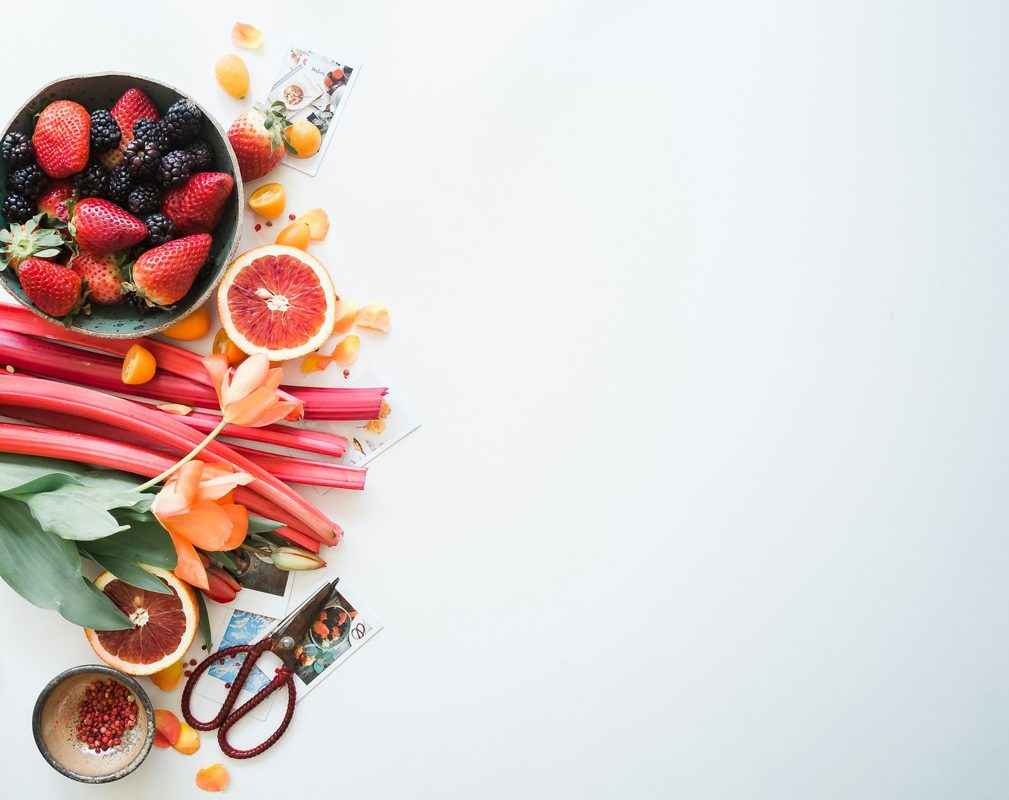
- Citrus, berries, kiwi and bell peppers. Vitamin C, which your body needs to make collagen. The body cannot store much of it, so it needs to come in every day.
- Sweet potato, carrots and leafy greens. Beta-carotene and other carotenoids, which your body can convert to vitamin A. Small studies have linked diets rich in colorful vegetables to a warmer, healthier-looking skin tone.
- Green tea. Rich in polyphenols, a family of antioxidants. Research on green tea and skin is promising but mostly small, so treat it as a good habit rather than sun protection. Sunscreen is still the main event.
- Water. Staying hydrated matters for your whole body. Drinking extra water will not plump wrinkles on its own, but chronic dehydration does show.
What to cut back on
The strongest diet-and-skin evidence is about acne. Several studies have linked high-glycemic diets, heavy in sugary drinks, white bread and sweets, with more breakouts, and some have found an association with dairy, especially skim milk, although that evidence is mixed. If you are breakout-prone, it may be worth cutting back on sugary foods and drinks for a couple of months to see whether your skin changes. Alcohol dehydrates and disrupts sleep, and both show on your face the next morning.
Food first, supplements second
We originally said “skip the supplements, eat the food,” and we still lean that way. Whole foods deliver nutrients together with fiber and other compounds that supplements do not. That said, some people do need supplements, for example if they do not eat fish or have a diagnosed deficiency, so ask your doctor rather than following a trend. Collagen powders are popular, but the evidence for them is still developing and much of it is industry-funded.
How long before you see a difference
Skin renews itself over weeks, so give any change in diet at least six to eight weeks before you judge it. And keep expectations realistic: food supports healthy skin, but it does not replace sunscreen, a good moisturizer or, if you need one, a dermatologist.
The verdict
Eat the fish, the colorful vegetables and the fruit; go easy on sugar and alcohol; drink your water. Your skin will catch up.
Frequently asked questions
What foods are good for glowing skin?
Oily fish, avocado, walnuts and flaxseed for healthy fats; citrus, berries, kiwi and bell peppers for vitamin C; and sweet potato, carrots and leafy greens for carotenoids. A varied diet built on these covers most of what skin needs.
Can diet cause acne?
For some people it may make acne worse. Research has linked high-glycemic diets with more breakouts, and some studies have found an association with dairy, although that evidence is mixed. Diet is rarely the only cause, so see a dermatologist about persistent acne.
Does drinking water improve your skin?
Staying hydrated supports your overall health, and dehydration can make skin look dull. But drinking more water than you need will not erase wrinkles or replace a moisturizer.
How long does it take for diet changes to show in your skin?
Give it at least six to eight weeks. Skin renews itself gradually, so changes from diet show slowly.