
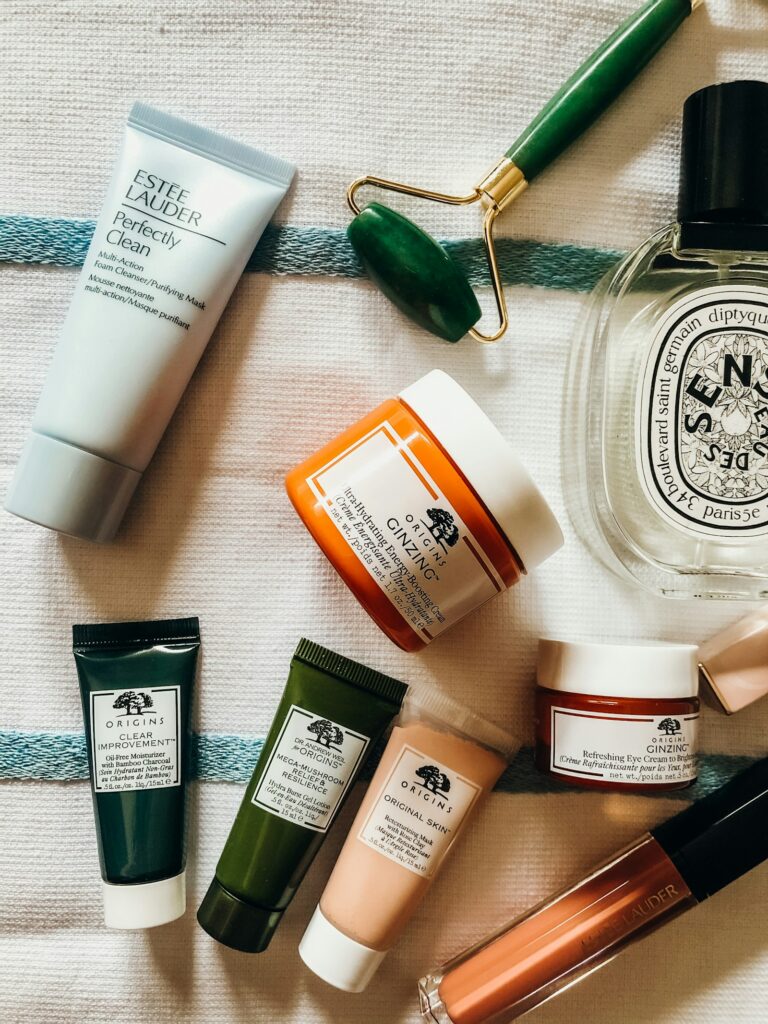
Quick answer: To use a facial gua sha, apply a slippery layer of facial oil or moisturizer, hold the stone almost flat against your skin, and glide it outward and upward from the center of your face with light pressure, a few strokes per area. It can leave skin looking temporarily flushed and less puffy, and it is a relaxing ritual. It does not permanently lift, slim or sculpt your face, and the research on facial results is small and early.
This guide is for anyone who owns a gua sha stone (or is thinking about buying one) and wants to know the right technique, how often to use it, and what to realistically expect. We separate what small studies have measured from what social media promises, and cover who should avoid it. This guide is general information, not medical advice; see a board-certified dermatologist or your doctor for persistent or severe skin concerns.
What is gua sha?
Gua sha is a traditional East Asian practice that involves scraping or stroking the skin with a smooth-edged tool. In its traditional body form, practitioners use firm strokes, often on the back or shoulders, which deliberately produce red or purple marks. Facial gua sha, the version popular in skincare, is much gentler: the goal is a light glide, not marks.
Tools are commonly made of jade, rose quartz, other stones, stainless steel or ceramic. The material matters less than the shape. A tool with a long curved edge suits cheeks and jaw, while a notched or smaller edge fits around the nose and brow bone. Cleveland Clinic notes that you do not need an expensive tool at all; even a clean, smooth spoon can work.
What can gua sha actually do?
The evidence is limited, so it helps to be precise about what has been measured.
- Increase local blood flow, briefly. In a small pilot study of 11 healthy adults, a single gua sha treatment on the back increased surface microcirculation about fourfold for roughly 7.5 minutes, and it remained above baseline through the 25-minute measurement period. That study used body gua sha, not facial, but it explains the rosy, flushed look after a session.
- Possibly reduce morning puffiness for a while. Cleveland Clinic says research does not directly address facial puffiness, though gentle strokes may help move fluid in a way similar to lymphatic self-massage. Any effect is temporary.
- Change some skin measurements in a small trial. A 2025 randomized trial in the Journal of Cosmetic Dermatology compared gua sha and a facial roller in 34 women who used the tools for 10 minutes, five days a week, for eight weeks. Both groups showed changes in facial contour measurements; the gua sha group showed changes in muscle tone readings, and the roller group showed improved skin elasticity. There was no untreated control group, the sample was small and all-female, and follow-up was only eight weeks.
- Feel relaxing. For many people the main benefit is a few calm minutes and a reason to massage in a moisturizer properly. That is a fine reason to do it.
What gua sha can’t do
Be skeptical of claims that facial gua sha will:
- Permanently slim or “sculpt” your face. Massage cannot remove fat or reshape bone. Any contour change you see right after a session is likely related to temporary fluid shifts.
- Replace proven anti-aging steps. Daily sunscreen and ingredients such as retinoids have far stronger evidence for fine lines and texture.
- “Detox” or de-inflame your skin. Cleveland Clinic notes that the proposed anti-inflammatory effect has not been scientifically validated.
- Treat acne, rosacea or other skin conditions. Scraping over inflamed skin can make it worse.
Step by step: how to use a gua sha on your face
- Clean your tool and your face. Wash the stone with mild soap and warm water before and after each use, and dry it completely.
- Apply slip. Use a few drops of facial oil, a rich moisturizer or a serum. The tool should glide without tugging. If it drags, add more product. A hydrating serum underneath can help; see our guide to hyaluronic acid serums.
- Hold the tool nearly flat against the skin rather than upright. A flat angle spreads pressure and is gentler.
- Start at the neck. Stroke lightly downward from below the jaw toward the collarbone, a few times on each side. Many practitioners begin here as a way to warm up the area.
- Jaw and chin. From the center of the chin, glide along the jawline toward the ear, three to five strokes per side.
- Cheeks. From beside the nose, sweep outward across the cheek toward the ear. Cleveland Clinic advises working outward from the midline of your face, in one smooth direction rather than back and forth.
- Under the eyes. Use the lightest pressure here, with a smaller or rounded edge, gliding from the inner corner outward toward the temple. Keep off the eyelid itself.
- Forehead. Glide from the center of the brow upward toward the hairline, then outward toward the temples.
- Finish. Press any remaining product into your skin and clean the tool.
A full routine takes about five minutes. Some people like to chill the stone in the fridge first for a cooling feel on puffy mornings; if you deal with under-eye puffiness often, our roundup of under-eye patches covers another option.
How hard should you press, and how often?
Lightly. Facial skin is thinner than skin on the body. Cleveland Clinic’s acupuncturist advises gentle pressure: a little pinkness is expected, but it should never hurt. Pain is a sign you are pressing too hard.
There is no established ideal frequency for facial gua sha. The 2025 trial used 10-minute sessions five times a week, and many people use it a few times a week or each morning. If your skin looks irritated, blotchy or sore the next day, cut back.
Gua sha vs. facial roller
| Gua sha | Facial roller | |
|---|---|---|
| Shape | Flat stone with curved and notched edges | Small stone wheel(s) on a handle |
| Learning curve | Moderate: angle and pressure matter | Low: hard to press too hard |
| Needs oil or moisturizer | Yes, for glide | Optional |
| What the 2025 trial found | Changes in contour and muscle tone readings | Changes in contour and skin elasticity readings |
| Best for | People who enjoy a longer massage ritual | Quick morning de-puffing, beginners |
Common mistakes
- Using it on dry skin. Without slip, the tool tugs and can irritate.
- Pressing hard enough to leave marks. Cleveland Clinic notes that aggressive scraping can cause petechiae (tiny red or purple dots from broken capillaries), bruising and soreness. On the face, that is a sign to ease off.
- Scrubbing back and forth. Use single, one-direction strokes.
- Working over active breakouts. It can spread bacteria and inflame spots.
- Skipping cleaning. Oil and skin cells build up on the stone between uses.
- Expecting permanent change. Results, where they occur, fade within hours to days.
Who should skip it, and when to see a pro
Cleveland Clinic suggests checking with a doctor before using gua sha if you:
- Take blood thinners, including aspirin, or bruise easily.
- Have a circulation problem or diabetes.
- Have a skin condition such as eczema or psoriasis.
- Are pregnant or undergoing chemotherapy.
Never use it over broken, irritated or inflamed skin, including sunburn, rashes, cuts, active acne or recent cosmetic procedures such as fillers, injectables or peels; ask the clinician who treated you when it is safe to resume. For body gua sha, which uses stronger pressure, Cleveland Clinic recommends seeing a trained practitioner. And see a doctor about new or persistent facial swelling, which can have medical causes that massage will not address.
Our take
Gua sha is a pleasant, low-cost ritual that can make skin look briefly brighter and less puffy, and it gives you a reason to slow down and massage in your skincare. The research on facial results is small and early, and it does not support claims of permanent lifting or slimming. Use light pressure, plenty of slip and outward strokes, skip it on irritated skin, and spend your real anti-aging effort on sunscreen and proven actives.
Sources
- Cleveland Clinic: Gua sha: what it is and how to do it
- Nielsen et al., The effect of gua sha treatment on the microcirculation of surface tissue: a pilot study in healthy subjects (Explore, 2007)
- Dermatology Times: Facial roller vs. gua sha randomized trial (Journal of Cosmetic Dermatology, 2025)
- Ahn et al., Comparative effects of facial roller and gua sha massage on facial contour, muscle tone, and skin elasticity (Journal of Cosmetic Dermatology, 2025; publication listing)
Frequently asked questions
Does gua sha really work?
It can make skin look temporarily flushed and less puffy, and one small eight-week trial found changes in some facial measurements. There is no good evidence that it permanently lifts, slims or reduces wrinkles. Think of it as a relaxing massage tool rather than a treatment.
How often should I use gua sha on my face?
There is no established ideal frequency. A few times a week or a short session each morning is common, and one trial used 10 minutes five days a week. Cut back if your skin looks red, blotchy or sore afterward.
Should gua sha leave marks on my face?
No. Facial gua sha should use light pressure and leave, at most, a slight pink flush that fades quickly. Red or purple dots or bruises mean you are pressing too hard, which can break small blood vessels.
Can I use gua sha with acne?
Avoid gliding over active breakouts, since it can irritate inflamed spots and spread bacteria. If you have acne, you can work around affected areas or skip gua sha until your skin calms down.
What is the best material for a gua sha?
The shape and smoothness of the edge matter more than the material. Jade, rose quartz, stainless steel and ceramic all work if the tool is smooth, comfortable to hold and easy to clean.