
Editor’s update (May 2026): Bayberry Naturals still makes its small-batch botanical skincare, including clay cleansers in the spirit of the one reviewed here. Browse the current Bayberry Naturals range on Amazon.
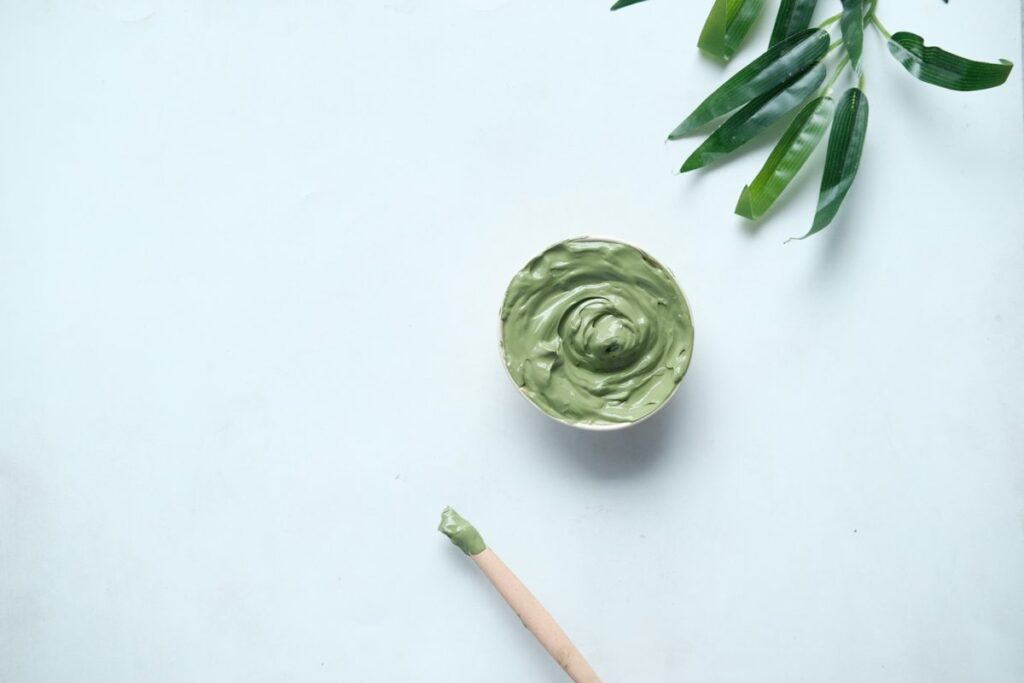
Clay cleansers occupy a niche between regular cleansers and weekly masks: deeply purifying, but mild enough to use daily. Bayberry Naturals‘ Pure Smooth Clay Cleanser is one of the better-formulated examples I’ve used.
What it does
Kaolin and bentonite clays bind to oil and surface impurities without the squeak of a foaming cleanser. Botanical extracts soften the skin while the clays do the heavy lifting.
How it wears
Massage into damp skin for 60 seconds, then rinse. Skin feels balanced — neither stripped nor coated. Especially good for combination skin types that struggle to find a daily cleanser that works on both the oily zones and the dry ones.
An obsession worth keeping in regular rotation.
Shop the post
👉 Shop Bayberry Naturals on Amazon
As an Amazon Associate I earn from qualifying purchases. Read full disclosure.
Our 2026 notes on clay cleansers
We first wrote about this cleanser in 2012. We could not confirm that the Pure Smooth Clay Cleanser itself is still sold under that name in 2026, so the notes below focus on the category, which has grown a great deal since then.
How kaolin and bentonite differ
Both are natural clays that absorb oil, but they behave a little differently. Kaolin is the gentler of the two: it is soft and fine and draws less oil, which makes it a common choice for daily cleansers and for drier or more sensitive skin. Bentonite swells when wet and absorbs more oil, so it tends to feel more purifying and is often used in masks for oily skin. A cleanser that blends both, like the one reviewed above, aims for a middle ground.
Who clay cleansers suit
- Oily and combination skin: the best fit. Clay helps take down excess oil without the tight feeling of some foaming cleansers.
- Normal skin: a good option a few times a week, or as an evening cleanser after a long day.
- Dry or reactive skin: proceed carefully. Look for kaolin-based formulas with added oils or glycerin, and stop if your skin feels tight afterward.
What to look for on the label
Look for clay near the top of the ingredient list, a soothing or hydrating ingredient such as glycerin, aloe or a plant oil to balance it, and no harsh scrubbing particles. If your skin is sensitive, a fragrance-free formula is the safer choice, since botanical extracts and essential oils can irritate some people.
How to use one
Massage a small amount onto damp skin for up to a minute, as the post suggests, then rinse thoroughly with lukewarm water. Clay can leave a faint residue, so pay attention to the hairline and around the nose. Follow with your usual moisturizer. Clay cleansers are not meant to remove heavy or waterproof makeup on their own, so use an oil or balm cleanser first on those days.
Can I leave a clay cleanser on as a mask?
Some brands say their clay cleansers can double as a quick mask, but check the label first. If you try it, a few minutes is plenty; letting clay dry fully and crack can leave skin feeling tight.