
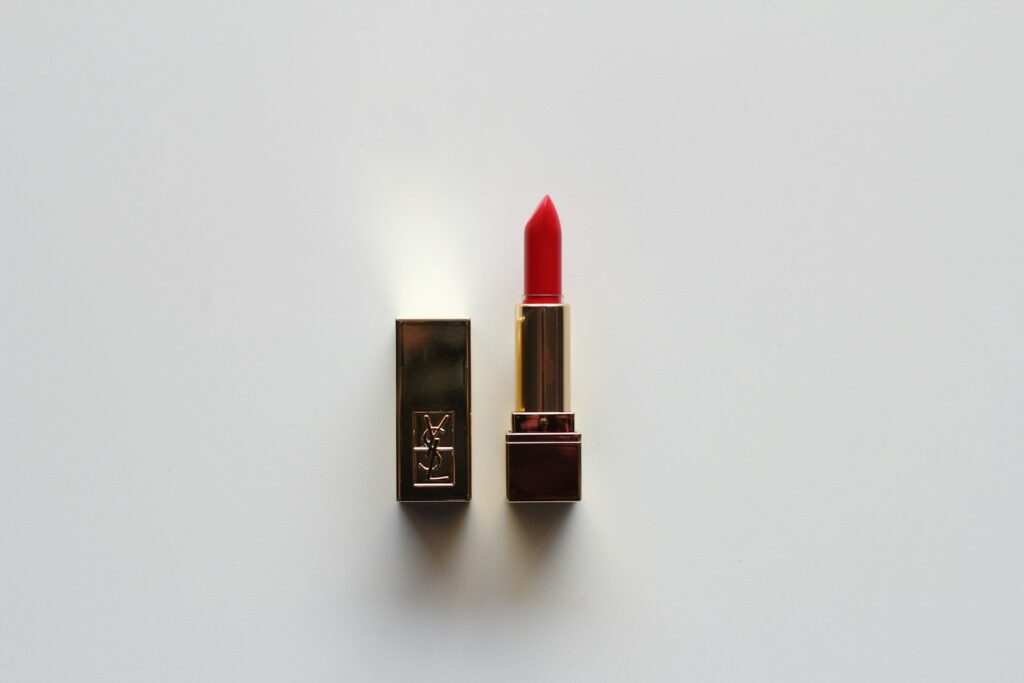
Quick answer: “Clean beauty” has no legal or scientific definition in the US. It is a marketing term, and each brand or retailer decides what it means, usually through a list of ingredients a product is “formulated without.” Those lists differ, they are not safety ratings, and “clean” products can still contain common allergens such as fragrance. A 2022 federal law, MoCRA, gave the FDA new powers over all cosmetics, but it did not define “clean.”
This guide is for shoppers who see “clean” seals and “free-from” claims and want to know what is behind them, people with sensitive or allergy-prone skin trying to choose safer products, and anyone who has been told to fear preservatives. This guide is general information, not medical advice; see a board-certified dermatologist for persistent or severe skin reactions.
Is “clean beauty” regulated?
No. The FDA does not define “clean,” and it also has no definition for “organic” in cosmetics under the laws it enforces. The USDA’s National Organic Program can certify agricultural ingredients as organic, but a USDA organic seal says nothing extra about safety. As the FDA puts it, “An ingredient’s source does not determine its safety” (FDA).
The FDA does not pre-approve cosmetic products or ingredients, with the exception of some color additives (FDA). Every cosmetic, clean-labeled or not, must be safe when used as directed and properly labeled. A 2026 study of products in a major retailer’s “clean” haircare section put it plainly: there are no regulatory guidelines defining “clean” (Madrid Larrañaga et al., 2026).
What MoCRA changed, and what it did not
The Modernization of Cosmetics Regulation Act of 2022 (MoCRA), enacted on December 29, 2022, was the largest expansion of the FDA’s cosmetics authority since 1938, after decades of only limited changes. Before it, companies did not have to register facilities, list products or report serious adverse events to the FDA (FDA). Under MoCRA (FDA):
- Serious adverse events must be reported to the FDA within 15 business days.
- Facilities must register with the FDA and renew every two years, and each product must be listed with its ingredients.
- Companies must keep records showing adequate safety substantiation for their products.
- The FDA can order a recall if a company refuses to act on a product likely to cause serious harm.
- The FDA must set rules for good manufacturing practices, fragrance allergen labeling and asbestos testing of talc-containing products, and it published an assessment of PFAS in cosmetics.
These rules apply to all cosmetics. MoCRA does not create a “clean” category, and a product labeled clean meets no extra federal standard.
How retailers define “clean”
Because there is no legal definition, retailers built their own. Two large examples:
- Target Clean, introduced in 2019, marks products formulated without phthalates, propyl- and butylparaben, sodium laureth sulfate and other listed ingredients (Target).
- Clean at Sephora publishes a longer “formulated without” list that includes parabens, phthalates, formaldehyde releasers, methylisothiazolinone, SLS and SLES, oxybenzone, PFAS, mineral oil and petrolatum, and sets limits on others, such as phenoxyethanol at 1% or less. It allows fragrance if it meets the rest of its list (Sephora help center).
Notice what these lists mix together. Some exclusions target real contaminant or allergen concerns. Others, such as petrolatum and mineral oil, remove ingredients the American Academy of Dermatology lists among those to look for in creams for dry skin (AAD). The lists are not ranked by risk, and they change between versions.
| Commonly excluded | Why it is excluded | What the evidence says |
|---|---|---|
| Parabens | Fears about hormone effects | FDA says it has no information showing parabens as used in cosmetics affect health |
| Formaldehyde releasers, methylisothiazolinone | Contact allergy | Real allergen concern for some people |
| Phthalates | Endocrine concerns (FDA on phthalates) | FDA says it has no evidence phthalates as used in cosmetics pose a safety risk; diethyl phthalate mainly appears in fragrance |
| Sulfates (SLS, SLES) | Can be drying or irritating | Irritation, not toxicity, is the issue |
| Mineral oil, petrolatum | Perceived as “petrochemical” | The AAD lists both among ingredients to look for in creams for dry skin |
The preservatives myth
Preservatives are among the most feared ingredients and among the most necessary. Any product that contains water can grow bacteria and mold once opened. The FDA lists an ineffective preservation system as one way products become contaminated, notes that contaminated eye-area products have caused serious infections, and says microbial contamination is a common reason for cosmetic recalls (FDA).
Parabens are the best-known target. They have been used for decades to prevent bacterial and mold growth. The FDA says it does not currently have information showing that parabens as they are used in cosmetics affect human health, and it continues to review new data (FDA).
Removing one preservative means replacing it with another, and the substitutes are not automatically gentler. The useful question is not “does it have preservatives?” but “is it well preserved and well tolerated by my skin?”
Are clean products better for sensitive skin?
Not reliably. Several studies have checked “clean” products for known contact allergens:
- An analysis of children’s products under a major retailer’s “Clean Baby” filter found fragrance declared in 82% of products and Compositae (daisy-family plant) allergens in 46%, with only 9% free of the allergens screened (Brumley et al., 2024).
- The 2026 study of 150 “clean” textured-hair products found that 70% listed fragrance (Madrid Larrañaga et al., 2026).
- A 2026 study of vulvar soothing products found that “natural,” “hypoallergenic” and “fragrance-free” claims were not associated with fewer allergens (McAleer et al., 2026).
Botanical extracts and essential oils, common in clean products, are frequent allergens. If your skin reacts easily, “fragrance-free” and a short ingredient list matter more than a clean seal. Our guide to mineral makeup covers another category where simple formulas can help, and fragrance-heavy products like body mists are best kept off sensitive areas.
How to shop smarter than a “clean” label
- Know your own triggers. If you have had reactions, a dermatologist can patch test you to identify specific allergens. That list beats any retailer’s.
- Read the full ingredient list, not the front claims.
- Choose “fragrance-free” over “unscented” if you are sensitive, and check for botanical scents anyway.
- Look for proven actives for your goal, such as sunscreen, retinoids or niacinamide, regardless of the clean label.
- Respect preservation. Keep lids closed, do not add water, and replace products that change smell, color or texture.
- Report problems. Under MoCRA, companies must report serious adverse events, and you can report reactions to the FDA directly.
Who should look beyond “clean,” and when to see a pro
- People with eczema, rosacea or known allergies should choose products by tested ingredients and dermatologist advice, not by a clean seal.
- Parents buying for babies and children should check for fragrance and botanical allergens even in “clean” ranges.
- See a dermatologist for rashes that keep returning, spread, blister or do not improve after stopping a product. Patch testing can pinpoint the cause.
Our take
“Clean” is a brand promise, not a safety standard. Retailer lists can be useful shortcuts if you happen to share their priorities, but they mix real allergen concerns with ingredients that have little evidence of harm, and they do not screen out fragrance or plant allergens. MoCRA raised the floor for every cosmetic on the shelf, clean or not. Shop by your skin’s needs and a product’s actual ingredients, and do not fear preservatives: a well-preserved product is a safer product.
Sources
- FDA: Modernization of Cosmetics Regulation Act of 2022 (MoCRA)
- FDA Voices: How FDA is implementing landmark cosmetics legislation
- FDA: “Organic” Cosmetics
- FDA: Parabens in Cosmetics
- FDA: Microbiological Safety and Cosmetics
- Madrid Larrañaga J, et al. “Clean” products for textured hair. Journal of Exposure Science and Environmental Epidemiology, 2026
- Brumley C, et al. Contact allergens in “clean” children’s products. Pediatric Dermatology, 2024
- Sephora: Clean at Sephora ingredient standard
Frequently asked questions
Is there a legal definition of clean beauty?
No. Neither the FDA nor any other US agency defines “clean” for cosmetics. Each brand or retailer sets its own criteria.
Are parabens dangerous?
The FDA says it does not currently have information showing that parabens as used in cosmetics affect human health. They are effective preservatives, and the agency continues to review new research.
Did MoCRA define clean beauty?
No. MoCRA added adverse event reporting, facility registration, product listing, safety substantiation records and recall authority for all cosmetics, but it did not create a clean category.
Are clean beauty products better for sensitive skin?
Not necessarily. Studies of products in retailers’ clean sections found fragrance and botanical allergens were common. Fragrance-free products with short ingredient lists are a better bet.
Is it safe to use preservative-free skincare?
Water-based products without an effective preservative system can grow bacteria and mold once opened. Unless a product is single-use or specially packaged, a well-preserved formula is usually the safer choice.