
Fall 2025 was the season every creative-director shuffle of the prior year had to produce its first significant collection. Demna’s debut at Gucci. Glenn Martens’s first full year at Maison Margiela. The post-Anderson interim at Loewe (Proenza Schouler’s Jack McCollough and Lazaro Hernandez announced as the brand’s next co-creative directors, debut still ahead). The fourth Phoebe Philo drop. Daniel Lee’s fourth Burberry. The cumulative effect was a season where the question stopped being “who’s next” and started being “what does the new luxury actually look like.” It was, with hindsight, the most consequential creative season of the decade.
Demna’s Gucci showed his commercial appetite
Demna’s Spring 2026 debut at Gucci confirmed that he was not going to repeat his Balenciaga playbook. The collection was darker, more glamorous, less ironic. The accessories program — bags, shoes, jewellery — was unmistakably commercial. The casting drew from a new generation of muses. Reviews were broadly positive but with a recurring observation: Demna at Gucci was a different kind of provocateur than Demna at Balenciaga, more interested in elevating the house’s heritage than disrupting it. The takeaway: when a major creative director changes houses, the work often surprises the people who thought they had him figured out.
Glenn Martens’s Margiela found its language
Glenn Martens’s second full Maison Margiela collection — shown in early October as part of his Fall 2025 cycle — confirmed the conceptual-architectural direction he’d previewed in spring. The Tabi shoe had been reimagined in new configurations; the artisanal-line garments had hardened into a more rigorous silhouette vocabulary. Pat McGrath’s makeup continued to evolve away from the porcelain-doll Galliano language toward something more austere. The takeaway: Martens was in the middle of a real creative recalibration of the house, and the patience of the customer would determine how much commercial latitude he’d have.
Loewe’s transition stayed bumpy
The post-Jonathan-Anderson Loewe situation through Fall 2025 was the most discussed creative-director story in luxury. McCollough and Hernandez had been announced as co-creative directors but their debut was still upcoming; the interim collections from Anderson’s existing team felt like a holding pattern. The Puzzle bag and Hammock bag continued to sell, but the brand’s editorial heat was clearly cooling. The takeaway: a generational creative director’s departure creates a multi-collection trough, and Loewe was firmly in that trough until the McCollough-Hernandez debut.
Phoebe Philo’s fourth drop tightened the picture
Philo’s fourth e-commerce drop expanded the namesake brand into more cohesive seasonal stories. The brand had now established a cadence — controlled drops, expansive ranges, very steep pricing — that was unmistakable. Industry data suggested the brand was running well above initial projections. The takeaway: the slow-burn drop model worked when the designer was generational and the customer was already there, and Philo’s brand had successfully cleared its first eighteen months.
Burberry’s fourth Lee collection consolidated the position
Daniel Lee’s fourth Fall ready-to-wear at Burberry in February (shown for September delivery) confirmed the brand was on a steadier creative trajectory than the earlier transition years had implied. The Knight bag had become a real franchise. The equestrian-coded outerwear sold through. The takeaway: a heritage brand’s creative-director transition typically needs three to four collections to settle, and Burberry had reached the consolidation phase that suggested commercial recovery.
The colour story behind the season
Read across the collections rather than within them, Fall 2025 had a coherent colour story. The palette was grounded and warm — deep browns, ox-blood and burgundy, forest and olive greens, and the rich neutrals that suit lower light and heavier fabric. Sharper notes appeared as accents: a saturated red, a flash of cobalt, the occasional metallic. What defined the season was not the colours themselves, which recur every autumn, but the restraint in how they were combined — tonal dressing, one deep shade worn head to toe, or a single accent against an otherwise quiet outfit. For the practical shopper, the colour story is the most translatable part of any season: a couple of pieces in the autumn’s grounded shades will read as current far longer than a trend-driven silhouette.
From the runway to real life
A fashion season is most useful for what survives the trip to an ordinary wardrobe, and Fall 2025’s runways, read that way, pointed to a few durable through-lines: tailoring with a softer, less rigid shoulder, a continued move toward quiet craft over logo, and a real emphasis on outerwear as the season’s investment piece. By the time these ideas reach the high street they soften into something wearable — a better coat, a considered knit, a well-cut trouser. The lesson the season offered the sensible shopper was the same as ever: do not chase the runway directly. Wait for the trickle-down, then buy a small number of well-made pieces — a good coat above all — that genuinely fit how you live and will last more than one autumn.
The beauty note
Every fashion season carries a grooming message, and Fall 2025’s sat comfortably with the wider beauty mood. Backstage the direction was rich but restrained: a luminous, well-cared-for complexion, a deeper lip where a look called for a focal point, hair styled to look healthy rather than constructed. The grounded, craft-led feel of the collections translated, in beauty terms, into an emphasis on skin quality and considered colour over heavy makeup. For readers of a beauty blog, the relevant thread is that the autumn’s clothes and its complexion trends are telling one story — warmth, depth, and restraint — and the simplest way to look current through the season is to keep the wardrobe and the makeup equally edited and equally considered.
Accessories carried the message
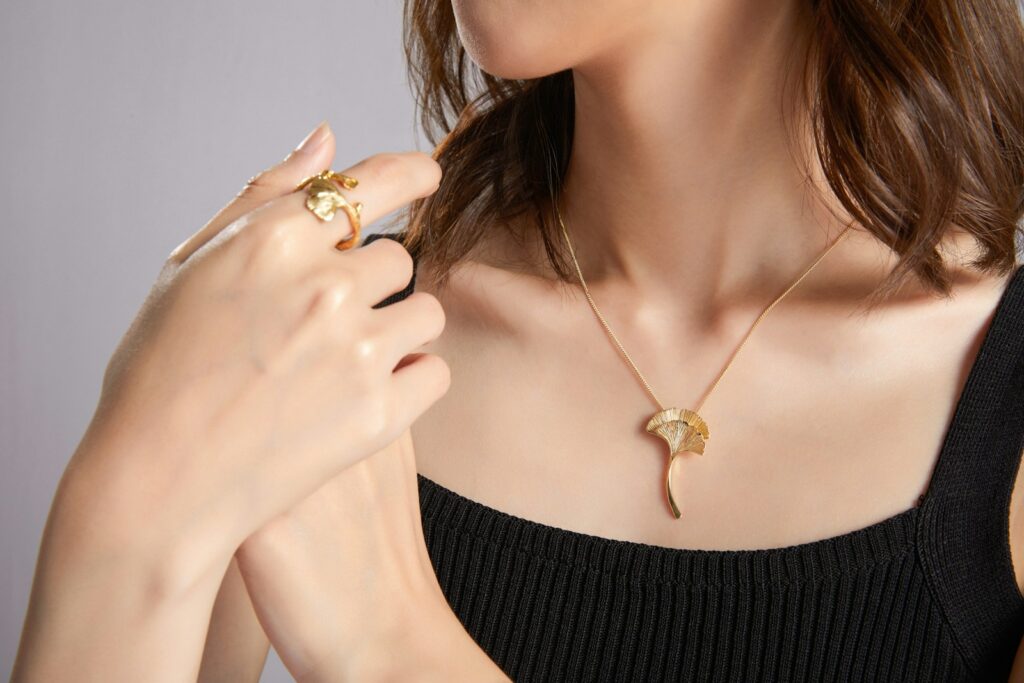
When the season’s clothes lean grounded and quiet, accessories take on more of the work, and Fall 2025 confirmed it. The autumn’s bags, boots, and jewellery were where colour and personality were allowed to concentrate — a structured boot, a single rich-toned bag, a considered piece of gold jewellery against dark layers. For most people this is the most practical part of a fashion season, because accessories refresh a wardrobe without replacing it: a good pair of autumn boots or a well-chosen bag carries last year’s coat and knitwear into the new season at a fraction of the cost and effort. They also age far better than trend-led garments. Fall 2025’s most usable advice was to put the budget there — keep the clothes edited and quiet, and let one or two well-made accessories do the seasonal talking.
What we are watching for the rest of fall
The McCollough-Hernandez debut at Loewe is the most-anticipated creative debut of 2026. Demna’s second Gucci show. The Spring 2026 couture in late January. We’ll see you back here in December for the winter jewellery roundup.
Frequently asked questions
What were the main fall 2025 fashion themes?
This round-up covers Demna’s Gucci showed his commercial appetite, Glenn Martens’s Margiela found its language, Loewe’s transition stayed bumpy, Phoebe Philo’s fourth drop tightened the picture and Burberry’s fourth Lee collection consolidated the position.
Are fall 2025 fashion trends still wearable now?
Some of it, yes. Silhouettes and colour stories cycle back every few years, so this round-up doubles as a reference for what returns and what stayed in its season.
Who writes these seasonal round-ups?
Natalia, the editor behind Tried & Tested Beauty. Every seasonal round-up is written by the same editorial team that writes our product reviews, from shows, look books and pieces we followed at the time.
How does Tried & Tested Beauty pick what goes in a fashion round-up?
We choose the looks and makers that had staying power rather than the loudest moment of the season – the pieces we would still recommend, and the ones that kept turning up afterwards.