
The Fall 2013 ready-to-wear collections had walked the runway in February, were photographed in every September issue, and were finally hitting US retail floors in mid-September just as the back-to-school energy of the season made everyone willing to shop again. The Spring 2014 shows were running concurrently in New York that same week, but the wardrobe conversation that mattered for everyday US dressing was Fall 2013 — what the major American houses had decided would be the silhouettes, fabrics, and proportions of the cooler half of the year. Below, what the big US fashion brands actually showed for fall, and what stuck.
Marc Jacobs went strict and architectural
Marc Jacobs’s Fall 2013 collection was the most-discussed US runway moment of the season. The show was built around a strict, almost school-uniform tailoring vocabulary — pleated skirts in heavy wool, fitted leather jackets, a series of clean trousers in flat black and dove gray. The styling was deliberately undone — hair pulled back, makeup minimal, the occasional unusual hat — and the soundtrack of the show, an extended live arrangement of a Phil Collins track, became its own piece of the editorial coverage.
The piece that defined the collection at retail was the boxy black leather bomber, which became the most-restocked piece across the brand’s SoHo flagship for the first six weeks of the fall season. The wider point of the collection — that severity could read luxurious if the cuts were good enough — set up a vocabulary that the rest of the year leaned on, and arguably set up Marc Jacobs’ own departure from his eponymous label that would unfold the following year.
Calvin Klein doubled down on monochrome
Calvin Klein’s Fall 2013 collection was the natural fall follow-up to the bone-and-ivory Spring show — Francisco Costa stayed in the same restraint vocabulary but pushed everything a few shades darker. The runway was almost entirely black, charcoal, slate, and a deep navy, with a single concession to color in a pair of looks done in oxblood. The fabrics did the storytelling: a cashmere-and-leather blend coat that read like a piece of architecture, a slim crepe trouser that hung straight without breaking, a long sleeveless jersey dress that was as functional as it was sophisticated.
The wider effect was to position Calvin Klein as the year’s ultra-minimalist American answer at a moment when European houses were getting more theatrical. The retail edition leaned into the restraint hard, and the Fall 2013 Calvin Klein endcap at every Bloomingdale’s and Nordstrom held a near-identical edit by mid-October.
Rodarte gave Fall 2013 its most photographed look
The Mulleavy sisters at Rodarte sent out the most photographed runway look of the entire Fall 2013 season — a layered cobweb-knit dress in a deep aubergine that read more like wearable sculpture than fashion. The collection more broadly leaned into texture and craftsmanship: hand-knitted dresses, lace overlays, a series of dark velvet pieces that telegraphed the gothic-romance vocabulary the brand had been refining since 2005.
The retail story was complicated — Rodarte’s most beautiful pieces are too craft-intensive to scale to broad distribution — but the influence on the wider American conversation was real. The fall lookbooks at half a dozen mid-tier brands borrowed Rodarte’s cobweb-knit and lace-overlay vocabulary in cleaner, more accessible interpretations, and the deep-aubergine palette became the year’s alternative to the inevitable burgundy and oxblood that dominated everywhere else.
Michael Kors stayed fluent in the working wardrobe
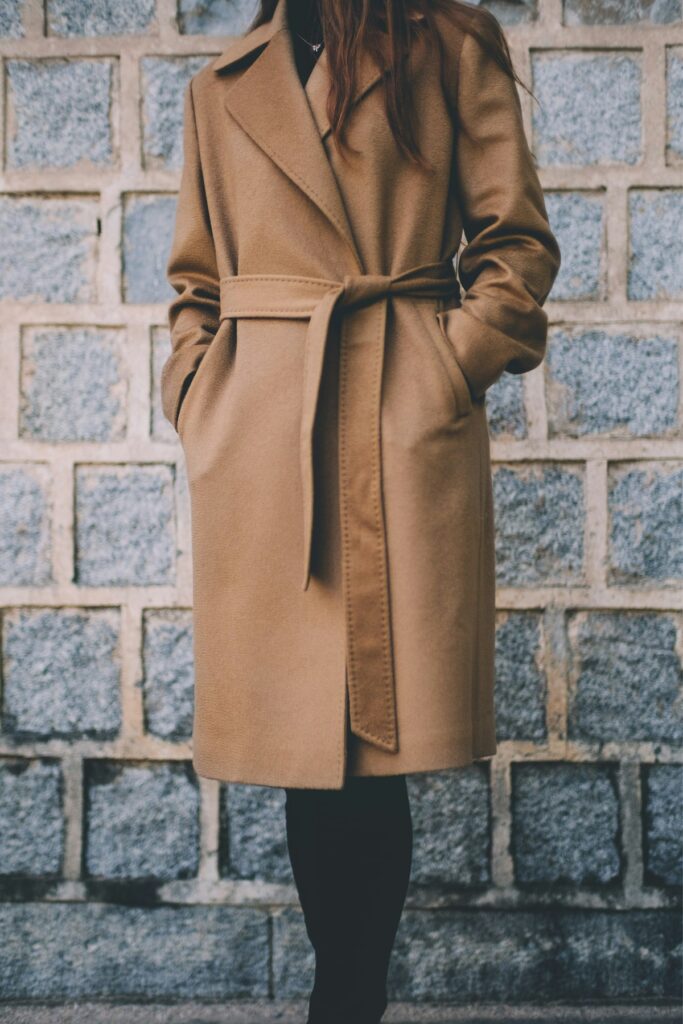
Michael Kors’s Fall 2013 collection was the season’s most directly translatable runway-to-retail story. The vocabulary was familiar — camel cashmere coats, slim navy trousers, knee-high suede boots — but the proportion edits were sharp: every coat was a half-size more relaxed than the previous year, every trouser broke at the ankle rather than the shoe. The signature look was a cream cashmere turtleneck under a camel double-faced wool coat, paired with a slim chocolate trouser and a tan suede heeled bootie.
The retail rollout was where Kors made his fall money. The Hamilton Tote in saffiano leather kept its position as the working-woman’s default bag, the camel coats sold out at every department store within four weeks of arrival, and the brand finished the year with the strongest fall season in its history.
Donna Karan New York refined the city uniform
Donna Karan’s Fall 2013 collection was the clearest articulation of what a New York working woman’s fall uniform was supposed to look like in the moment. The runway was a study in serious black — black pantsuits, black wrap dresses, a series of long black skirts cut high at the waist and falling straight to mid-calf. The technical work in the collection was the reason it mattered: the seaming and inner-construction details were among the most carefully executed of any US runway show that fall, and the pieces hung correctly on a wider range of bodies than most luxury houses managed.
The diffusion line, DKNY, ran the more accessible version of the same vocabulary, and the brand’s Fall 2013 stretch-twill blazer at under three hundred dollars was the working-woman’s fall purchase of the year for anyone who could not commit prestige money to the main line.
Tory Burch went rich and bohemian
Tory Burch’s Fall 2013 collection pivoted away from the floral folkloric romance of the spring show toward something deeper, denser, and more bohemian. The palette was rich earth tones — terracotta, mustard, rust, deep teal — and the silhouettes leaned into long-line knits, layered tunic dresses, and a series of suede pieces in shades you do not normally see at the Tory Burch price point. The Reva flat picked up its winter version, a fur-lined moccasin that became a Northeast prep-school staple by November.
The mid-tier story: J.Crew, Madewell, and the office wardrobe
The bigger story for everyday US dressing in fall 2013 was happening at the mid-tier. J.Crew’s fall catalogue, styled by Jenna Lyons at the height of her influence, set the working-woman wardrobe template that magazines copied for the rest of the year — a slim Toothpick Jean in winter colors, a sequin tee under a wool blazer, a long camel coat over a printed silk shirt. Madewell’s ankle-boot-and-high-rise-jean uniform took its real shape in fall 2013 and became the casual-Friday default of every East Coast office. The trend that defined both retailers was the same: a confident embrace of menswear-leaning shapes, slimmed and recut for women, in fabrics that read serious rather than playful.
What stuck and what didn’t
The Fall 2013 trends that genuinely lasted: the camel double-faced wool coat as a fall staple, the slim ankle-cropped trouser, the high-rise denim that Madewell helped launch into national prominence. The trends that did not survive past the year: the cobweb-knit lace texture (which the mid-tier interpretation ruined within six months), the head-to-toe oxblood ensemble (overdone almost immediately). For now, in mid-September 2013, the wardrobe edit was clear, the camel coat was on the wishlist, and the rest of the year was set up to be one of the best fall fashion seasons US retail had run in a while. We will see you for the next seasonal recap at the end of the year.
Frequently asked questions
What were the main fall 2013 fashion themes?
This round-up covers Marc Jacobs went strict and architectural, Calvin Klein doubled down on monochrome, Rodarte gave Fall 2013 its most photographed look, Michael Kors stayed fluent in the working wardrobe and Donna Karan New York refined the city uniform.
Are fall 2013 fashion trends still wearable now?
Some of it, yes. Silhouettes and colour stories cycle back every few years, so this round-up doubles as a reference for what returns and what stayed in its season.
Who writes these seasonal round-ups?
Natalia, the editor behind Tried & Tested Beauty. Every seasonal round-up is written by the same editorial team that writes our product reviews, from shows, look books and pieces we followed at the time.
How does Tried & Tested Beauty pick what goes in a fashion round-up?
We choose the looks and makers that had staying power rather than the loudest moment of the season – the pieces we would still recommend, and the ones that kept turning up afterwards.