
By the time May rolled around this year, the mood had shifted from cautious to conditional. The hopeful “second-half” of 2021 was no longer some distant idea but a series of small, real plans on the calendar. Vaccines were widely available across the US for adults, mask mandates were starting to relax in some states, and Memorial Day weekend was being talked about as a soft, tentative reopening of summer. Beauty conversations followed the same arc: people were thinking about sunscreen for actual outdoor plans, not theoretical ones, and the bathroom counter was starting to look ready for somewhere to go. May 2021 felt less like a single trend and more like a re-introduction to what we used to wear and use, with one important asterisk — we were paying closer attention this time.
The sunscreen renaissance, take three
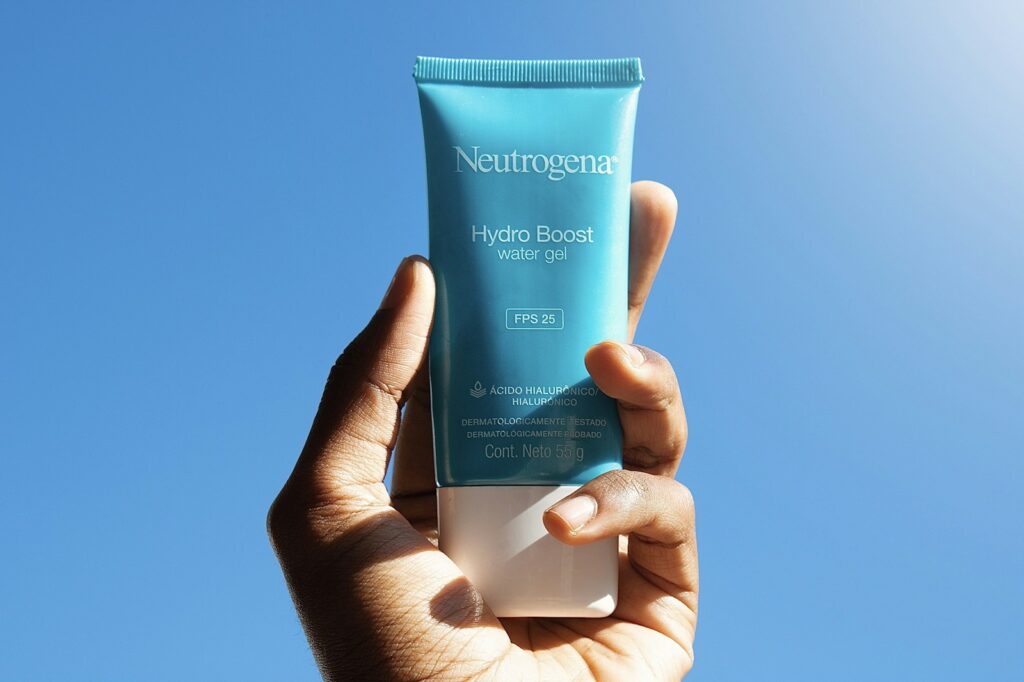
Every May seems to bring another sunscreen reckoning, but the 2021 round had a different texture. Hawaii’s reef-safe legislation had been on the books for a while, and the home formulator boom of the previous summer had pushed everyone — chemists and shoppers alike — to think harder about what was actually doing the work in their SPF. The conversation about reef-safe formulas had matured past the headline ingredient lists, and the divide between mineral and chemical filters was being discussed less as a moral debate and more as a question of skin type and finish. Supergoop remained the brand to beat — Unseen Sunscreen, Glowscreen, and the Play line all anchored displays at Sephora — and the conversation around their formulas reached a kind of mainstream saturation that felt new. We were also seeing more shoppers ask about Korean and Japanese SPF formulas, even when they couldn’t easily buy them in the US, a tension that drove half the comment sections of skincare creators we follow. The other persistent argument in May was about SPF in foundation: was the small printed number on a bottle of base actually delivering meaningful sun protection, or was it a marketing tail-wag? The answer, as ever, was that nothing replaced a dedicated SPF, but the question itself spoke to how much more carefully shoppers were reading their labels.
Merit Beauty arrives
One of the most talked-about launches of the spring was Merit, the new brand from Katherine Power, who’s been behind several of the most quietly successful brands of the past decade. Merit launched in May with a tightly edited five-product line — concealer, complexion stick, brow gel, lipstick, and a signature flush balm — designed for what the brand kept calling “the minimalist’s makeup bag.” The thesis was that most of us own way too much makeup and use the same five things every day, so why not just make those five things really well. The packaging was uniform, the shade ranges were credible, and the prices sat in the middle of the prestige range. The launch went viral on TikTok within a week, with creators stacking the products into makeup bags and remarking, almost surprised, that this was actually all they needed. Whether the brand delivers on the promise is something we’ll watch over the year, but the launch itself was one of the most assured we’ve seen in a while, and a counter-statement to the maximalism that had defined so much of the previous decade. Where Glossier had defined the late-2010s “no-makeup makeup” era with a focus on fewer steps, Merit’s arrival felt like the next iteration: not just lighter coverage, but fewer products altogether, with each one trying to be the only thing you’d reach for in its category.
Westman Atelier expands
At the higher end of the market, Westman Atelier kept building. Gucci Westman’s brand had been a Bergdorf and direct-site favourite since launching in 2018, but its expanded Sephora distribution this spring made it newly accessible to people who’d been hearing the name for years without quite committing. The Vital Skincare Complexion Drops kept showing up on getting-ready videos, with their tiny pump dispenser and a glow that didn’t read as filter. Westman’s pitch — clean ingredients in a make-up bag that was actually fun to use, rather than a clinical exercise — landed well in a year when “clean” was getting both more respected and more diluted as a label.
The IPO whisper
By late May, the trade-press conversation around Olaplex — the bond-building haircare brand — was getting impossible to miss. The brand was rumoured to be heading toward a public listing, the kind of milestone that beauty industry people read carefully because it tends to mean a category has matured into something Wall Street is willing to underwrite. Olaplex had spent the past five years training a generation of consumers to think about bond-building treatments as a non-negotiable line item, with No. 3 Hair Perfector and No. 8 Bond Intense Moisture Mask continuing to anchor the home-use range. Whether you were a fan or a skeptic, the IPO question reframed the brand from “salon technology” to “a thing that defined a category,” and that’s a reframing other prestige beauty brands were paying close attention to. We were also watching whether the haircare category itself, long the cinderella of beauty investment, was finally about to get a permanent seat at the same table as skincare and complexion makeup.
The clean refillable push
The other quiet but persistent thread of the month was packaging, which had moved from a subtext of clean beauty to its own conversation in 2021. Brands like Dieux, with its reusable silicone Forever Eye Mask, were positioning waste reduction as a feature rather than a footnote. Augustinus Bader‘s The Rich Cream kept its luxury foothold but also kept its refillable architecture in the spotlight. The pattern across new launches was that sustainability claims were starting to come with receipts — third-party certifications, refill systems that actually existed, supply-chain disclosures — instead of the soft “consciously crafted” language that had dominated 2018 and 2019. There was a sense, finally, that brands had figured out their consumers were now reading sustainability reports the same way they were reading ingredient lists, and that “luxury” and “low-impact” were no longer expected to live in different drawers of the bathroom.
What we are watching for June
June, by the look of things, will be the month the industry tries to bottle “hot vax summer.” We’re expecting bronzers, body oils, brilliant colour, and a wave of fragrance launches positioned around the idea of being out in the world again. We’re watching whether Rare Beauty‘s momentum holds through a second viral cycle, and we’re keeping an eye on Pat McGrath restocks and any second-half-of-year teases from Glossier as the brand continues to navigate its big shift from a millennial-defining cult to a more grown-up business. We will also be tracking the early reviews of new clean fragrances from the K-beauty and Australian indie brands that have been building toward US launches all year, and we’re curious how the body-care conversation will translate from a serum-led story into the kind of summer-friendly oils, mists, and balms the season seems to call for. We will see you on the first Tuesday of June.
Shop the edit
- e.l.f. Halo Glow Liquid Filter — for a lit-from-within complexion.
- e.l.f. Halo Glow Blush Beauty Wand — an easy soft-petal cheek wash.
- EltaMD UV Clear SPF 46 — the lightweight daily facial sunscreen.
- Olaplex No. 3 Hair Perfector — pre-summer bond repair.
As an Amazon Associate, Tried & Tested Beauty earns from qualifying purchases. The links above are affiliate links.
You might also like
- June 2021 in Beauty: What We Were Loving
- April 2021 in Beauty: What We Were Loving
- July 2021 in Beauty: What We Were Loving
- August 2021 in Beauty: What We Were Loving
Frequently asked questions
What were the main beauty topics covered in May 2021?
Our May 2021 edit looked at: The sunscreen renaissance, take three, Merit Beauty arrives, and Westman Atelier expands. Read each in full above.
Where can I shop the May 2021 beauty picks?
Every product in this edit links to Amazon, the brand site, or a retailer we trust. Many are also bundled in the ‘Shop the edit’ affiliate selection near the bottom of the post.
Who tests the products in Tried & Tested Beauty’s monthly edits?
Natalia and the Tried & Tested Beauty editorial team. We have been writing this blog since 2011 and only feature products we have tested ourselves or assessed against credible reviewer reports.
How do you choose what to include in a monthly beauty roundup?
Each entry must be either a notable launch, a viral product we tested, or a returning favourite. We do not feature anything we have not tried or vetted against trusted reviews.