
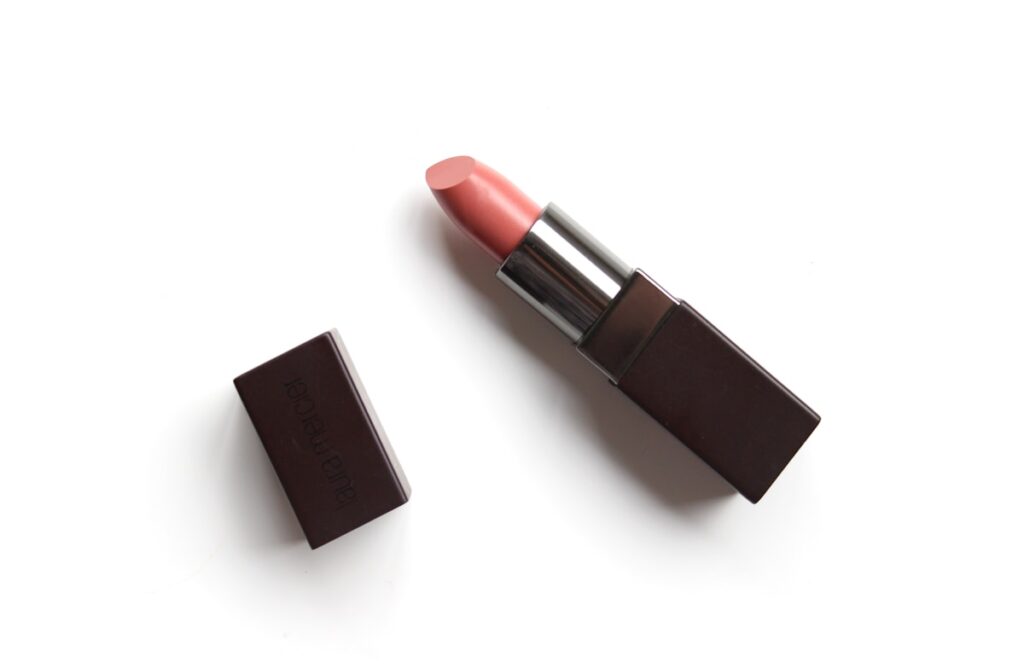
The first week of January 2013 had that very specific bathroom-counter mood — half a dozen near-empties from holiday gifting, three new things you swore you would actually use this time, and a vague resolution to stop hoarding samples and just commit. We were standing in front of the mirror, looking at the year ahead, and thinking about what beauty in 2013 was going to feel like. Spoiler: warmer, dewier, more global, and a lot less afraid of color than 2012 had been. The conversation in the US market was shifting away from the heavy mineral powder and obvious matte of a few years earlier and toward skin that looked like skin — but lit. We are calling it now: 2013 is the year the word “dewy” finally stopped being scary.
BB cream finally crossed the aisle into the drugstore
The BB cream wave had been cresting for a while — the category came out of Korea, traveled through Asian markets, and found a foothold in US prestige in 2011 — but January 2013 was the month we noticed it had genuinely arrived at the drugstore counter. Maybelline‘s Dream Fresh BB, which had quietly launched the previous summer, was suddenly stocked deep, restocked fast, and impossible to miss in the Walgreens face-aisle endcap. Garnier‘s Miracle Skin Perfector was right there next to it. What made these worth the hype, and what we kept reaching for through the gray January light, was the texture — thinner than foundation, lighter than tinted moisturizer, with a sheer flush of pigment that flattered winter skin without sitting in pores or settling into the dry patches we were all sporting after a heated apartment and a holiday travel cycle.
What made it a 2013 moment specifically was the price discipline. The drugstore versions came in well under fifteen dollars, and once that pricing existed, the category broadened almost overnight. By the end of January, every makeup bag we opened on a girls’ night had at least one BB cream tucked in next to a concealer.
The serum question started getting louder
The other story underneath the BB cream conversation was a serum reckoning. We had reached the point — after several years of being told serums were the engine room of any real skincare routine — where the average makeup-bag person was finally willing to pay department-store prices for one. Estée Lauder‘s Advanced Night Repair had become the bottle every birthday wishlist at the office included. The little brown bottle — by January 2013 the formula had been reformulated in 2009 and was on its second generation — was the gateway drug, and once people committed to it they tended to stay loyal for years.
What was new about the conversation in early 2013 was the ingredient literacy. People were starting to ask whether a serum had hyaluronic acid or peptides or vitamin C, instead of just trusting that an expensive bottle would do its job. French pharmacy brands like Caudalie were riding that wave hard at Sephora, with the green-bottle Vinosource line getting recommended in every Allure column we flipped through that month. The era of buying serum on faith was ending. The era of buying serum on Reddit threads about percentages of niacinamide had not quite started yet, but you could see it from where we were standing.
Liquid liner stopped pretending to be hard
For years, doing a winged liner in the morning meant either a thin brush, a steady hand, and twenty minutes you did not have, or a felt-tip pen that dried out by week three. January 2013 felt like the moment the felt-tip finally got good. Stila‘s Stay All Day Waterproof Liquid Eye Liner had been the gold-standard reference point for a while, and the rest of the field was finally catching up. The drugstore answers got crisper, the wear got longer, and we stopped being intimidated by the cat eye.
The other thing happening in eyes — and this is a quiet point that paid off the rest of the year — was the rise of the cream shadow. Maybelline Color Tattoo in Bad to the Bronze and On and On Bronze was on every single best-of list we read in the first two weeks of January. We had three pots between us by mid-month and used them with our pinky fingers because that was the whole point.
The blush conversation moved to the cheekbone
Blush in 2012 had been about flushed apples — drop a wash of pink right where you blushed naturally and call it healthy. By January 2013, the angle was migrating up. The new vocabulary was lift and structure: a powder pushed slightly higher, slightly back, a touch of a warm bronze on the temple, and suddenly your face read more sculpted at a coffee meeting without anyone being able to tell you were wearing more makeup than you had been in October.
The product that anchored this for us — and the one we kept restocking — was Tarte‘s Amazonian Clay 12-Hour Blush. Exposed (a soft warm pink) and Natural Beauty (a more mauve neutral) were the two we reached for most. The clay base meant the pigment held without that mid-afternoon greasy slip that powder blushes sometimes have, and the price-to-payoff math made it the rare prestige item that felt genuinely worth restocking.
Nails went short, and nail art got grown-up
The other thing we were watching, with curiosity rather than commitment, was the nail conversation. The full-acrylic stiletto era had not arrived yet. The look that worked at the office in January 2013 was a short almond, a single coat of something with depth — oxblood, slate, a deep camel — and maybe one accent nail that nodded to the more elaborate art on Pinterest without committing to it. Essie’s Wicked, a deep wine-red that had been a fall standard for years, was still dominating manicures every time we glanced down at someone’s coffee cup. Wicked had become the small-talk shade of the year — the one nobody had to defend.
What was new in nails was the technique creep, mostly via Pinterest and Tumblr: matte top coats, tiny gold studs at the cuticle, half-moons in a contrasting tone. Most of us were not actually doing it. But we were saving the photos.
What we’re watching for February
February has Valentine’s Day baked into it, which means red lipstick gets its annual press cycle no matter what. We were already hearing whispers about a deeper, more brick-leaning red taking over from the blue-cool reds of 2012, and we wanted to test that theory in real-world bar lighting. We were also watching the early sheet-mask conversation — the format had been embedded in Korean routines for years, but the US market was just beginning to figure out how to talk about it, with brands like Tony Moly and the early Korean-curated edits at Sephora setting the table for what would become a much bigger 2013 story by spring.
Mostly, though, January was a month for finishing what we already had on the counter. We have a soft rule about not buying anything new the first two weeks of the year, and it works exactly long enough for us to find one new BB cream and one new lipstick and decide those count as exceptions. We will see you in February.
Shop the edit
- CeraVe Hydrating Facial Cleanser — the gentle cleanse to start the reset.
- La Roche-Posay Toleriane Double Repair Moisturizer — a no-drama daily moisturizer.
- The Ordinary Granactive Retinoid — an approachable retinoid for the new year.
- TruSkin Vitamin C Serum — a brightening vitamin C step.
As an Amazon Associate, Tried & Tested Beauty earns from qualifying purchases. The links above are affiliate links.
You might also like
- February 2013 in Beauty: What We Were Loving
- March 2013 in Beauty: What We Were Loving
- April 2013 in Beauty: What We Were Loving
- May 2013 in Beauty: What We Were Loving
Frequently asked questions
What were the main beauty topics covered in January 2013?
Our January 2013 edit looked at: BB cream finally crossed the aisle into the drugstore, The serum question started getting louder, and Liquid liner stopped pretending to be hard. Read each in full above.
Are the January 2013 products still available?
Some are still on shelves; others have been discontinued or reformulated. Where a product is no longer made, we link to the closest current successor in the section above.
Who tests the products in Tried & Tested Beauty’s monthly edits?
Natalia and the Tried & Tested Beauty editorial team. We have been writing this blog since 2011 and only feature products we have tested ourselves or assessed against credible reviewer reports.
How do you choose what to include in a monthly beauty roundup?
Each entry must be either a notable launch, a viral product we tested, or a returning favourite. We do not feature anything we have not tried or vetted against trusted reviews.