
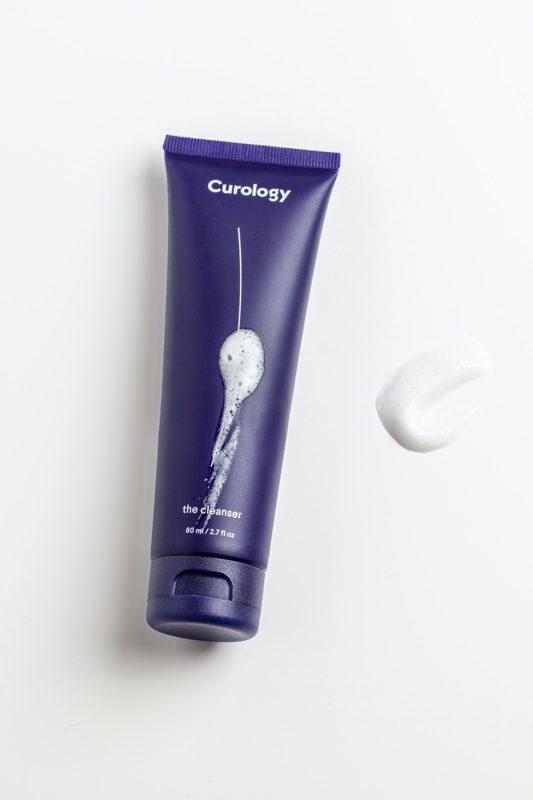
Editor’s note (updated October 2026): we have expanded this early post into a full guide: what a clarifying shampoo does, how often to use one, and who should go easy.
The hair you wash on Sunday is not the hair you brush out on Friday. Styling product, oil and minerals from your water build up on every strand, and a good clarifying wash is the reset button most routines skip.
What a clarifying shampoo does
A clarifying shampoo is a deep-cleansing shampoo made to remove what regular shampoo leaves behind: silicones and polymers from styling products, dry shampoo, heavy oils and conditioners, and excess sebum. Most use stronger cleansing agents than a gentle daily shampoo, and many add ingredients that bind to minerals. That is what makes it work, and also why it is an occasional product rather than a daily one.
It helps to know the difference between two related products. A clarifying shampoo targets product and oil buildup. A chelating shampoo is built specifically to remove mineral and metal deposits, such as the calcium and magnesium in hard water or the copper that pool water and some well water leave behind. Some shampoos do both; look for chelating agents such as EDTA on the label if minerals are your problem.
Signs your hair needs one
- Hair that feels coated, heavy or limp a day after washing.
- Shampoo that does not lather the way it used to.
- Styling products that suddenly stop working.
- Dullness no conditioner fixes, or blonde hair turning brassy or greenish after swimming.
- An itchy, oily-feeling scalp despite regular washing.
How often to clarify
Our original advice was once a week, and that still holds if you use a lot of product, dry shampoo or oils, or you swim often. Most people do well with every two to four weeks. If your hair is dry, curly, coily or color-treated, stretch it out further: clarifying shampoos remove some color along with the buildup, so many colorists suggest using one before a color appointment rather than just after.
How to do it
- Wet your hair thoroughly with warm water.
- Apply the clarifying shampoo to your scalp first and massage for a minute or two, letting the lather run through the lengths as you rinse.
- If your hair still feels coated, repeat once.
- Follow with a deep conditioning mask on the mid-lengths and ends. The clarifier strips; the mask restores.
- Go light on styling products that day so you can see what your hair looks like when it is truly clean.
Think of it as an exfoliating step for your hair: occasional, effective, and always followed by moisture.
Who should go easy
Very dry, damaged or chemically treated hair, curly and coily textures, and freshly colored hair all lose moisture faster, so clarify less often and always condition afterward. If your scalp is irritated, flaky or sore, see a dermatologist before reaching for stronger shampoos.
The verdict
A clarifying shampoo is the simple habit that resets the whole hair routine. Use it when your hair tells you it needs it, not on autopilot, and always follow it with conditioner.
Frequently asked questions
How often should you use a clarifying shampoo?
Every two to four weeks suits most people, or once a week if you use a lot of styling products or dry shampoo or swim often. Color-treated, dry and curly hair should be clarified less often.
What is the difference between clarifying and chelating shampoo?
A clarifying shampoo removes product and oil buildup. A chelating shampoo is designed to remove minerals and metals, such as those left by hard water or pool water. Some shampoos do both.
Does clarifying shampoo strip hair color?
It can fade it, because it cleans more aggressively than a regular shampoo. Many people clarify before a color appointment rather than just after, and use a color-safe shampoo in between.
Should you condition after a clarifying shampoo?
Yes. Follow every clarifying wash with conditioner or a deep conditioning mask on the mid-lengths and ends to put back the moisture the deep clean removes.